African - American First Ladies of Distinction

(Foremothers)

"We cannot accurately comprehend either our hidden potential or full range of problems that besiege us until we know the successful struggles that generations of Foremothers waged against virtually insurmountable obstacles."
– Darlene Clark Hines

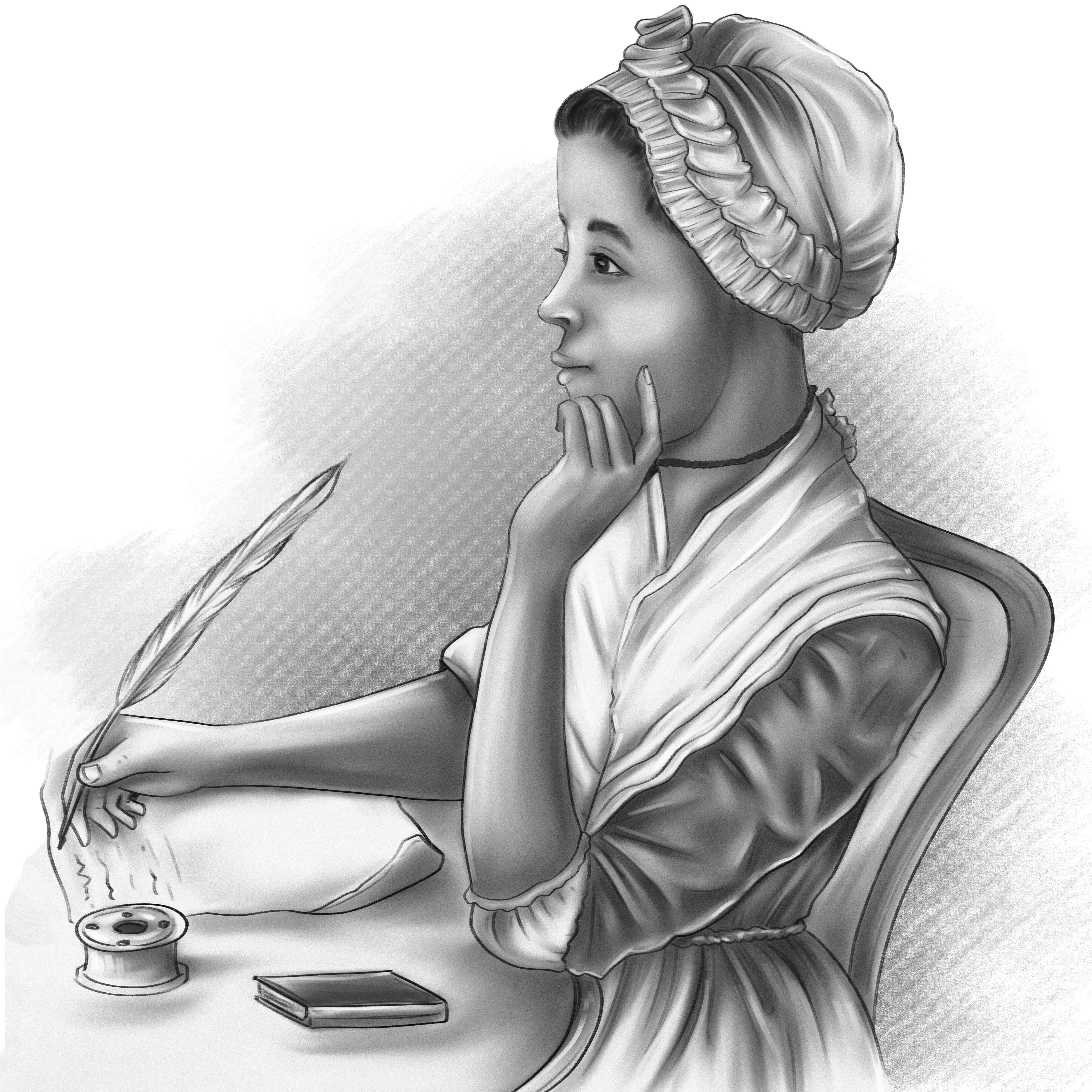
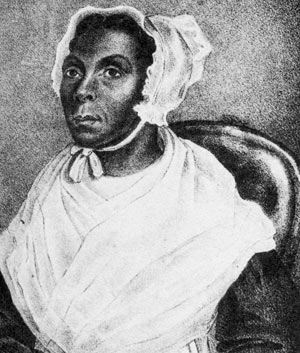
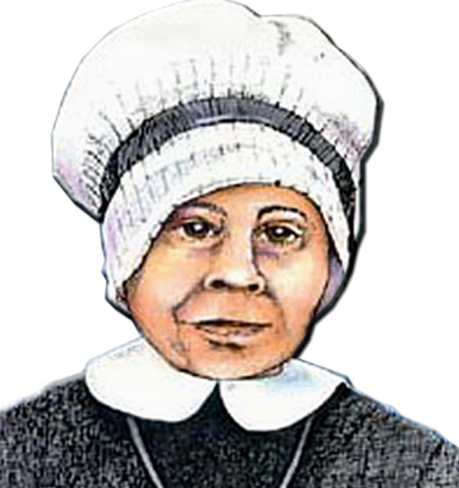
Lucy Prince Terry

Lucy Prince Terry (c. 1730-1821), a poet, abolitionist and orator who argued a case before the Supreme Court, was the author of the first poem, Bars Fight, a ballad published in 1746.

Phillis Wheatley

Phillis Wheatley (1753-1784), a pioneering African-American poet and slave, was the first to publish a book in 1773. Her book of poems was entitled, Poems on Various Subjects, Religious and Moral.

Jarena Lee

Jarena Lee (1783-1864), an evangelist and itinerate preacher, was the first sanctioned to preach in the African Methodist Episcopal (A.M.E.) Church by founder Richard Allen, during the 1800s.

Mary Elizabeth Lange

Mary Elizabeth Lange (1784–1882) founded the first Black religious order in the United States in 1829. Through the Oblate Sisters, she became the first African-American superior general.

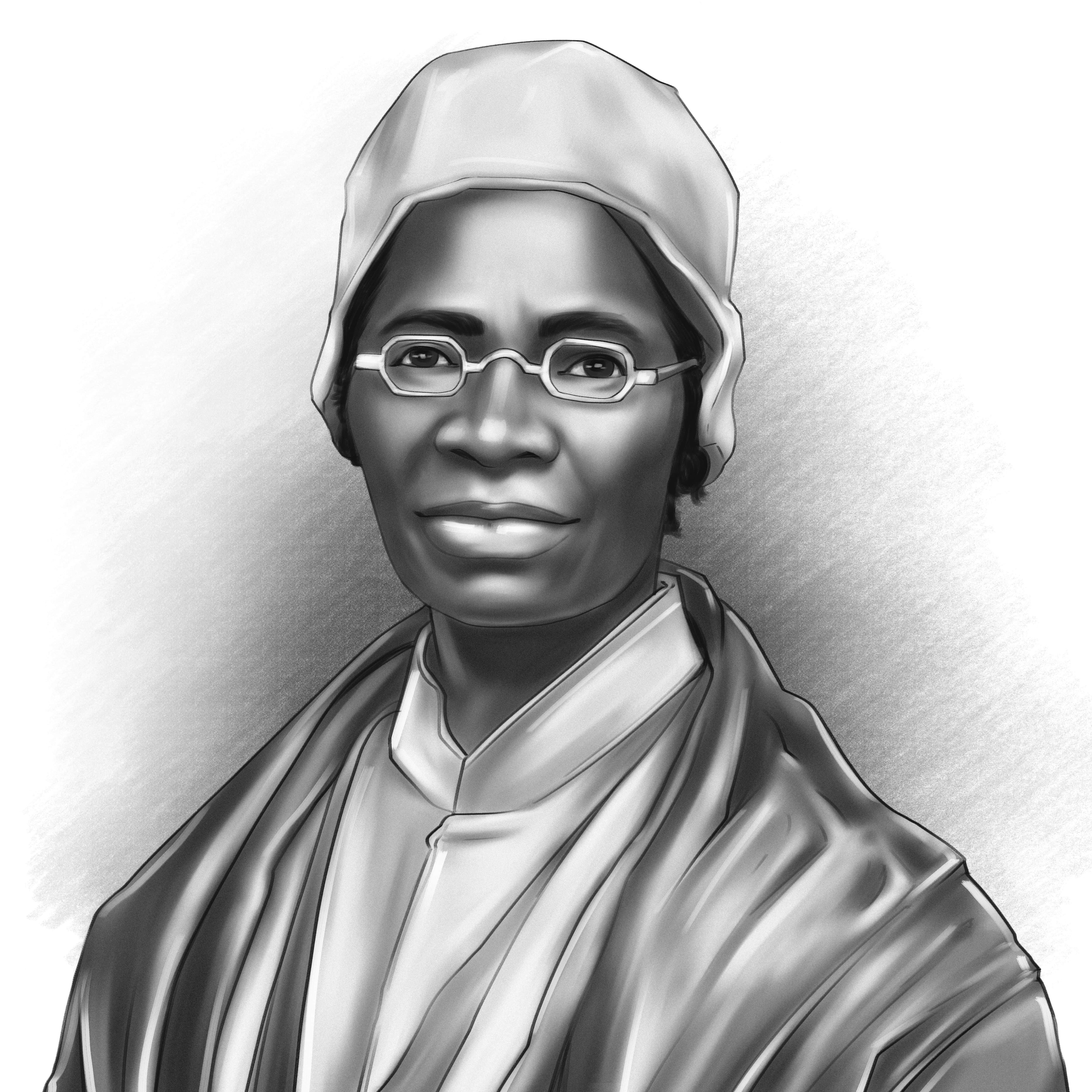
Sojourner Truth

Sojourner Truth (Isabella Baumfree, 1797–1883), a leading abolitionist and women’s rights advocate, was the first African American woman honored with a sculpture in Emancipation Hall of the U.S. Capitol in 2009.

Maria Stewart

Maria Stewart (1803–1879), a journalist, lecturer, abolitionist, and women’s rights advocate, became the first American woman to speak publicly before a mixed audience in 1832, addressing both racial equality and women’s empowerment in Boston.

Elizabeth Keckley

Elizabeth Keckley (1818–1907), was a former enslaved fashion designer who purchased her freedom. She became the first to serve as confidante, companion, and dressmaker to Mary Todd Lincoln, wife of President Abraham Lincoln.

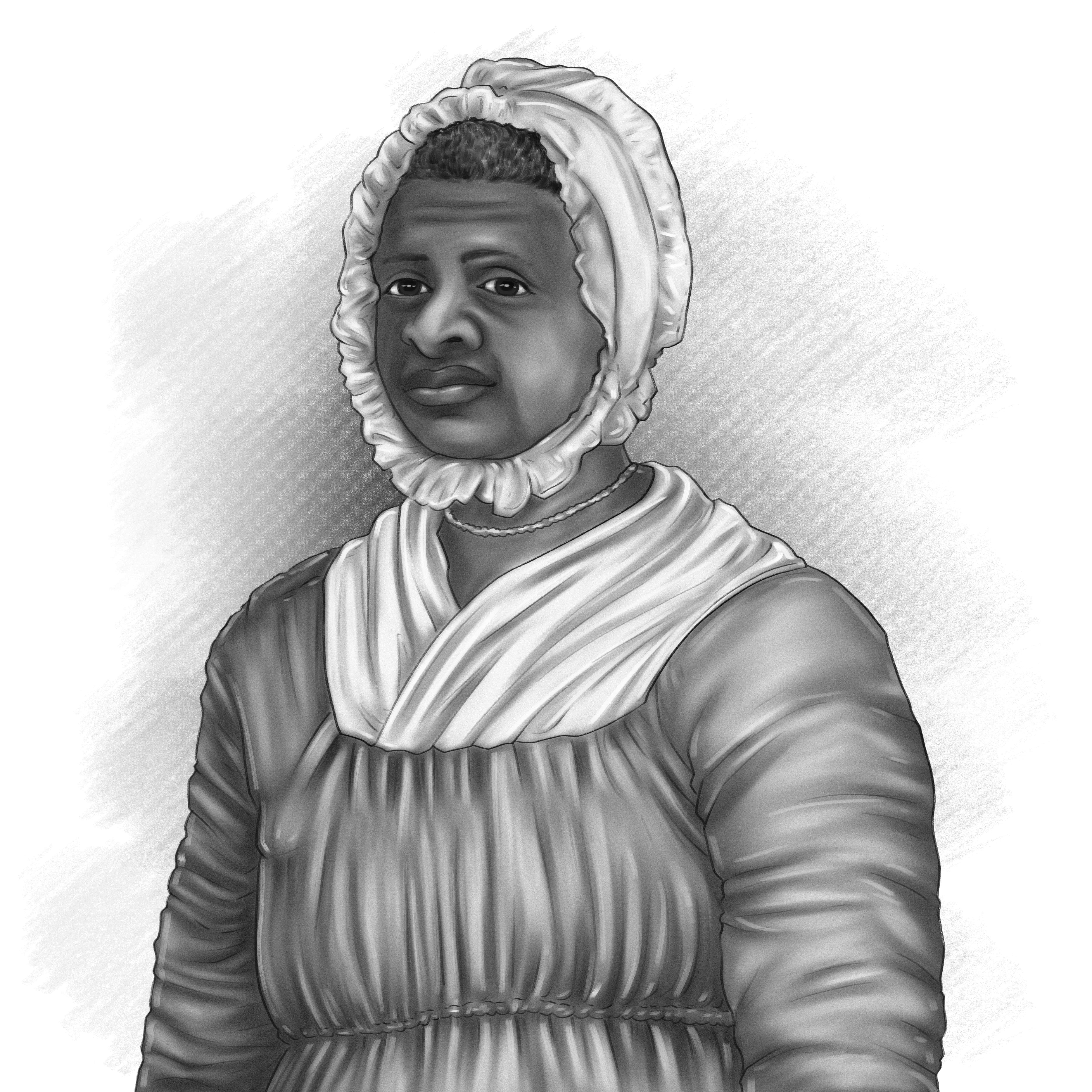
Elizabeth Freeman

Elizabeth Freeman (Mum Bett) (1742–1829), an abolitionist, was the first enslaved woman to successfully sue for her freedom in Massachusetts in 1781, inspiring the state’s move toward the abolition of slavery.

Elizabeth Taylor Greenfield

Elizabeth Taylor Greenfield (1819-1876), a concert artist, was the first to win recognition outside of the United States when she gave a command performance for England's Queen Victoria, at Buckingham Palace in 1853.

Harriet Tubman

Harriet Tubman (Araminta Harriet Ross, c.1822-1913), an abolitionist, humanitarian, Civil War spy, was the first to become a conductor of the Underground railroad and the first to be honored on a U.S. Postage Stamp, in 1978.

Mary Ann Shadd Carey

Mary Ann Shadd Carey (1823–1893), an abolitionist, journalist, publisher, and lawyer, became the first Black woman newspaper editor. In 1853, she founded The Provincial Freeman with the motto, “Self-reliance is the true road to independence.”

Frances Ellen Watkins Harper

Frances Ellen Watkins Harper (1825–1911), an abolitionist and author, gained fame for Poems on Miscellaneous Subjects (1854) and wrote The Two Offers (1859), the first short story published by an African American.

Harriett E. Wilson

Harriet E. Wilson (1825–1900), author and entrepreneur, was the first African-American to publish Our Nig: Sketches from the Life of a Free Black (1859), revealing racial prejudice.

Sarah James Woodson Early

Sarah James Woodson Early (1825-1907), an educator abolitionist, and feminist, was the first to become a college professor, at Wilberforce University, in 1859.

Lucy Stanton

Lucy Stanton (1831 – 1910), an educator and abolitionist is believed to be the first to graduate from college, completing a Ladies Literary Course from Oberlin College, in 1850.

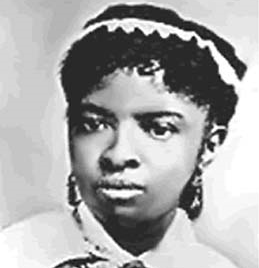
Rebecca Lee Crumpler

Rebecca Lee Crumpler (1831-1895), a medical doctor, was the first to earn a medical degree in 1864, from what is now Boston College School of Medicine.

Mary (Stagecoach) Fields

Mary (Stagecoach) Fields (1832-1914), a postal service worker, was the first to become a mail carrier for the U.S. Postal Service in 1895 Montana, at approximately age 60.

Charlotte Forten Grimke

Charlotte Forten Grimke (1837-1914), an educator, poet, and abolitionist, was the first teacher in the world to work with white students, at the Salem Public School in 1855.

Fanny Jackson Coppin

Fanny Jackson Coppin (1837-1913), an educator and missionary, was the first to receive the title of Principal at the Institute for Colored Youth, in Philadelphia in 1869.

Mary Jane Patterson

Mary Jane Patterson (1840–1894), was the first African American woman to earn a B.A. from Oberlin College in 1862 and later became the first Black principal in Washington, D.C.

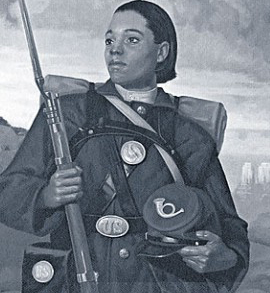
Cathay Williams

Cathay Williams (1842-1892), a Buffalo soldier, was enlisted as male Williams Cathay, in the U.S. Army in 1866. She became the first and only known female Buffalo Soldier.

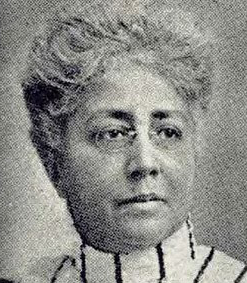
Josephine St. Pierre Ruffin

Josephine St. Pierre Ruffin (1842-1924), a publisher, journalist and civil rights activist, was the editor of the first African-American women’s newspaper, Women Era from 1890-1897

Edmonia Lewis

Edmonia Lewis (1845-1907), an artist, was the first professional sculptor in the U.S. during the 1860s. Her notable works include Forever Free (1867) and The Death of Cleopatra (1876).

Mary Eliza Mahoney

Mary Eliza Mahoney (1845-1926), a nurse, was the first to graduate with a nursing degree from the New England Hospital for Women and Children, in Boston in 1879.

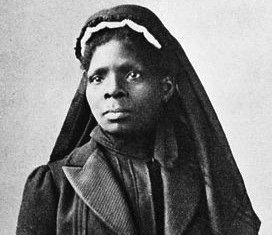
Susie King Taylor

Susie King Taylor (1848-1912), the first nurse with the 33rd U.S. Colored Troop during the Civil War, from 1861-1865, and the first teacher to openly instruct former slaves, in a school in Georgia.

Charlotte E. Ray

Charlotte E. Ray (1850-1911), a teacher and lawyer, was the first African-American woman to practice law in the United States after being admitted to the Washington, D.C., bar in 1872.

Lucy Craft Laney

Lucy Craft Laney (1854-1933), a pioneering educator and leader, founded the first school for black children, the Haines Normal and Industrial Institute, in Augusta, Georgia, in 1883.
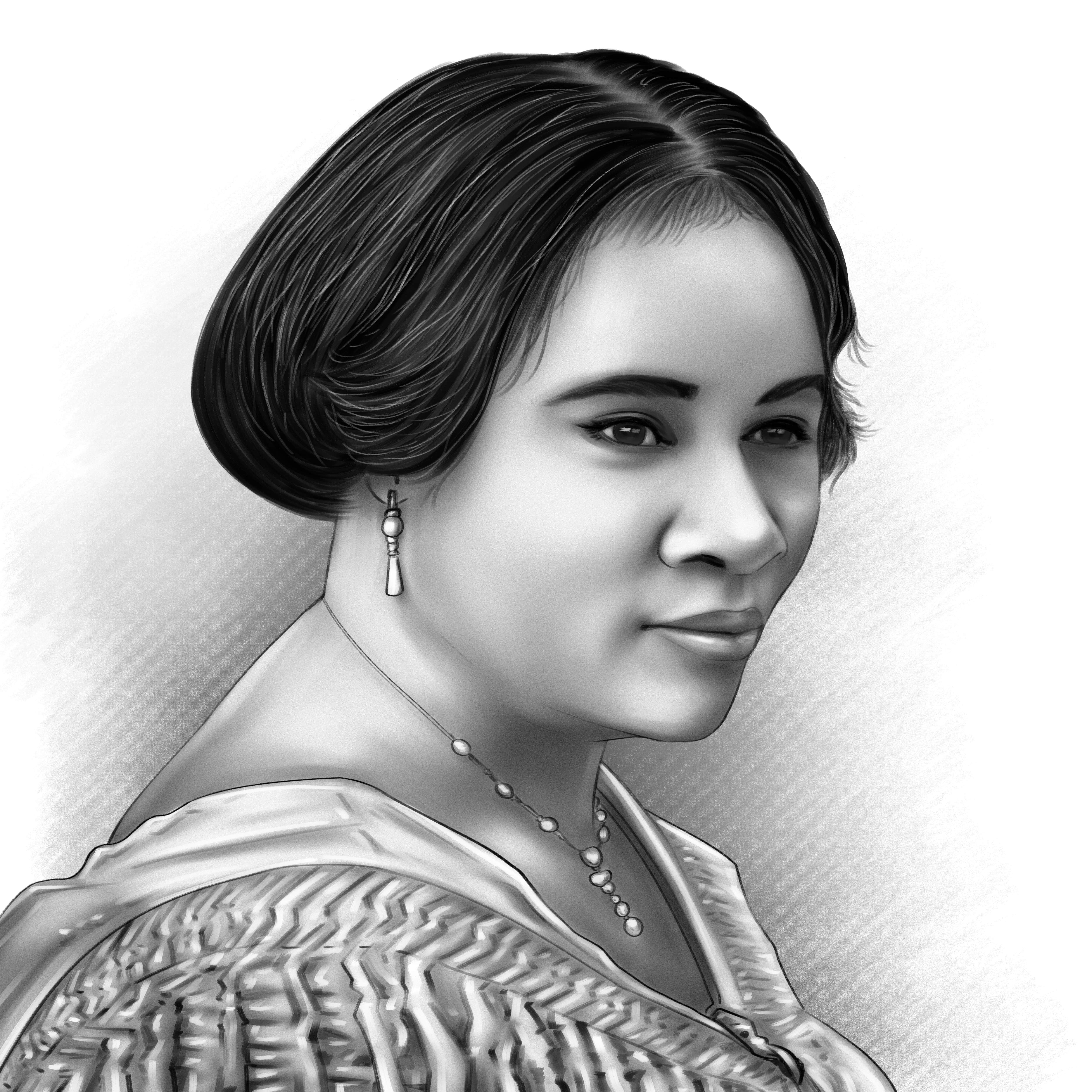
Sarah Goode

Sarah Goode (1855-1905), an entrepreneur and inventor, was the first to be granted a patent by the U.S. Patent and Trademark office for the invention of a folding bed, in 1885.

Anna Julia Cooper

Anna Julia Cooper (1858-1964),a distinguished scholar, author, and pioneering black feminist was the first to publish a black feminist analysis, A Voice from the South, in 1892.

Ida Burnett Wells

Ida Burnett Wells (1862-1931), a civil rights activist, journalist, and crusader of justice, was the first writer to document lynching of African-Americans in the South, during the 1890s.

Mary Church Terrell

Mary Church Terrell (1863-1954), educator and activist, was the first president of the National Association of Colored Women in 1896 and later served on Washington’s D.C. School Board.

Maggie Lena Walker

Maggie Lena Walker (1864-1934), a teacher and businesswoman, was the first to become a bank president [St Luke Penney Savings BANK, Richmond VA], in 1903.

Georgiana Simpson

Georgiana Simpson (1866-1944), an educator, was the first to earn a Ph.D. in German from the University of Chicago in 1921 and later had a distinguished career at Howard University.

Mary Burnett Talbert

Mary Burnett Talbert (1866–1923), a prominent civil rights and anti-lynching activist, co-founded the Niagara Movement and was the first woman to receive the NAACP Spingarn Medal Award in 1922.

Ida Gray Nelson Rollins

Ida Gray Nelson Rollins (1867-1953), a dentist, was the first to earn a dental-surgeon degree when she graduated in 1890, from the University of Michigan at Ann Arbor.

Madame C. J. Walker

Madame C. J. Walker (Sarah Breedlove, 1867–1919), an entrepreneur, was once celebrated as the first self-made millionaire, though history now credits her mentor, Annie Turnbo Malone.

Sissieretta Jones
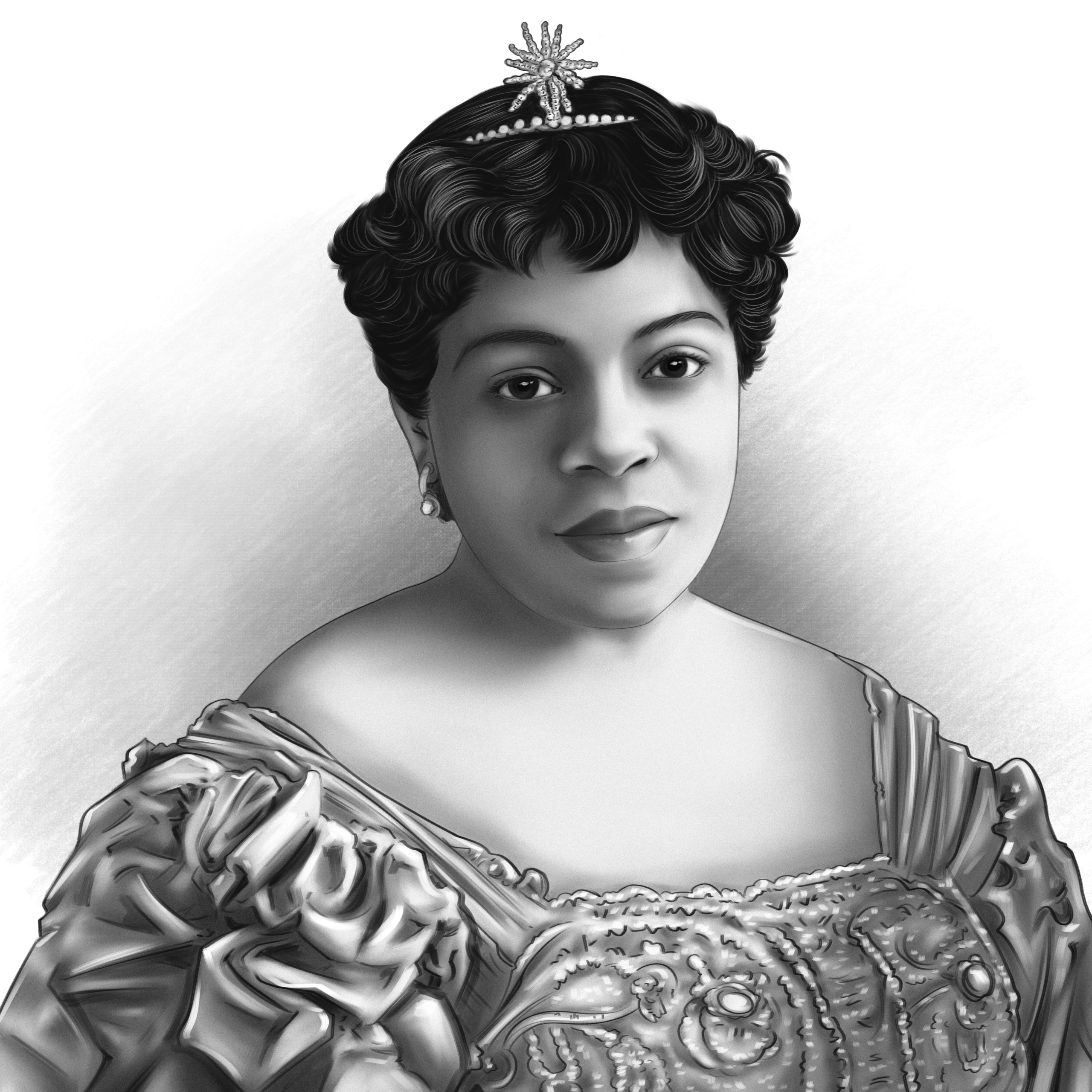
Sissieretta Jones (1868–1933) performed at the White House for President Benjamin Harrison in 1892 and became the first world-famous Black soprano to perform at Carnegie Hall in New York, the highest-paid performer of her time
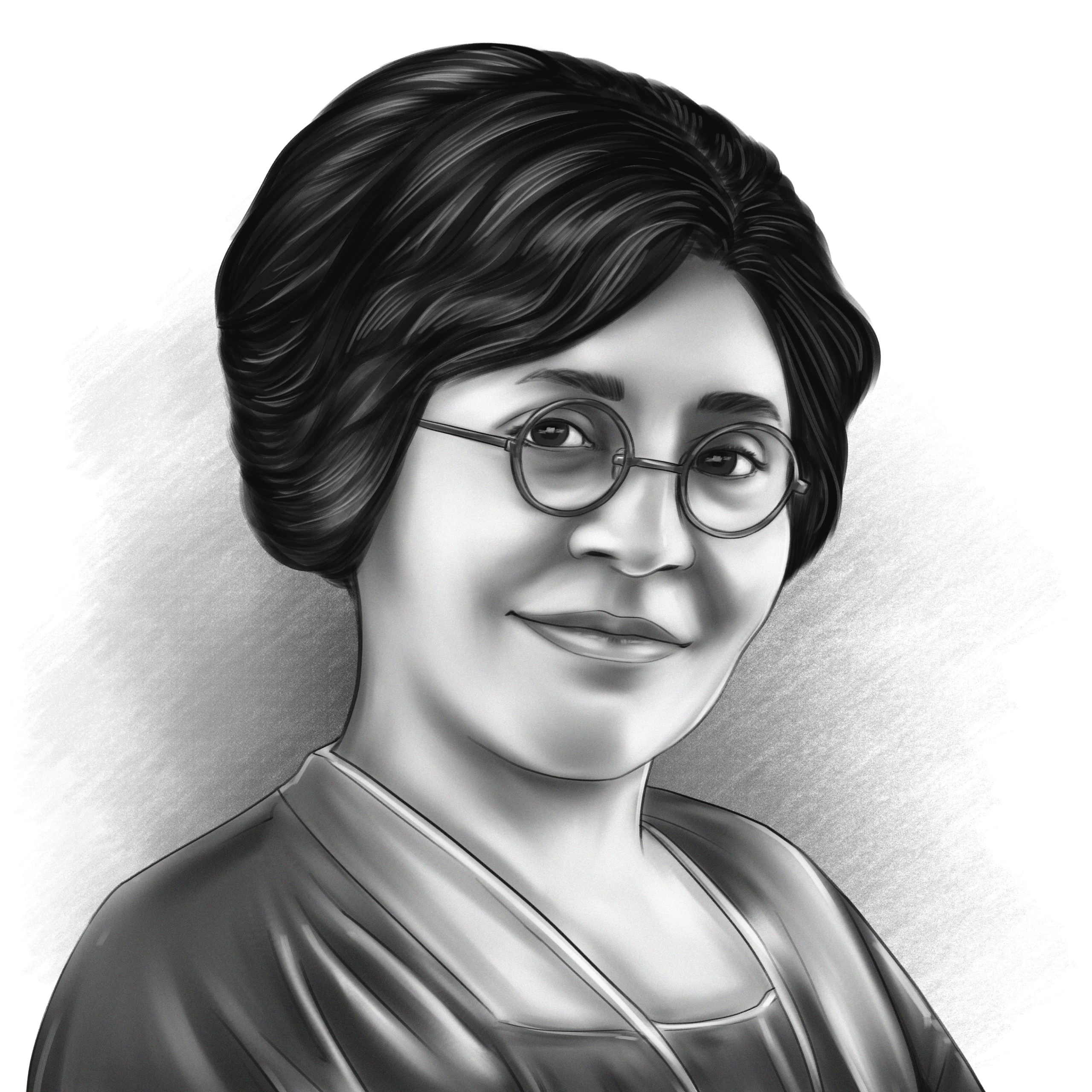
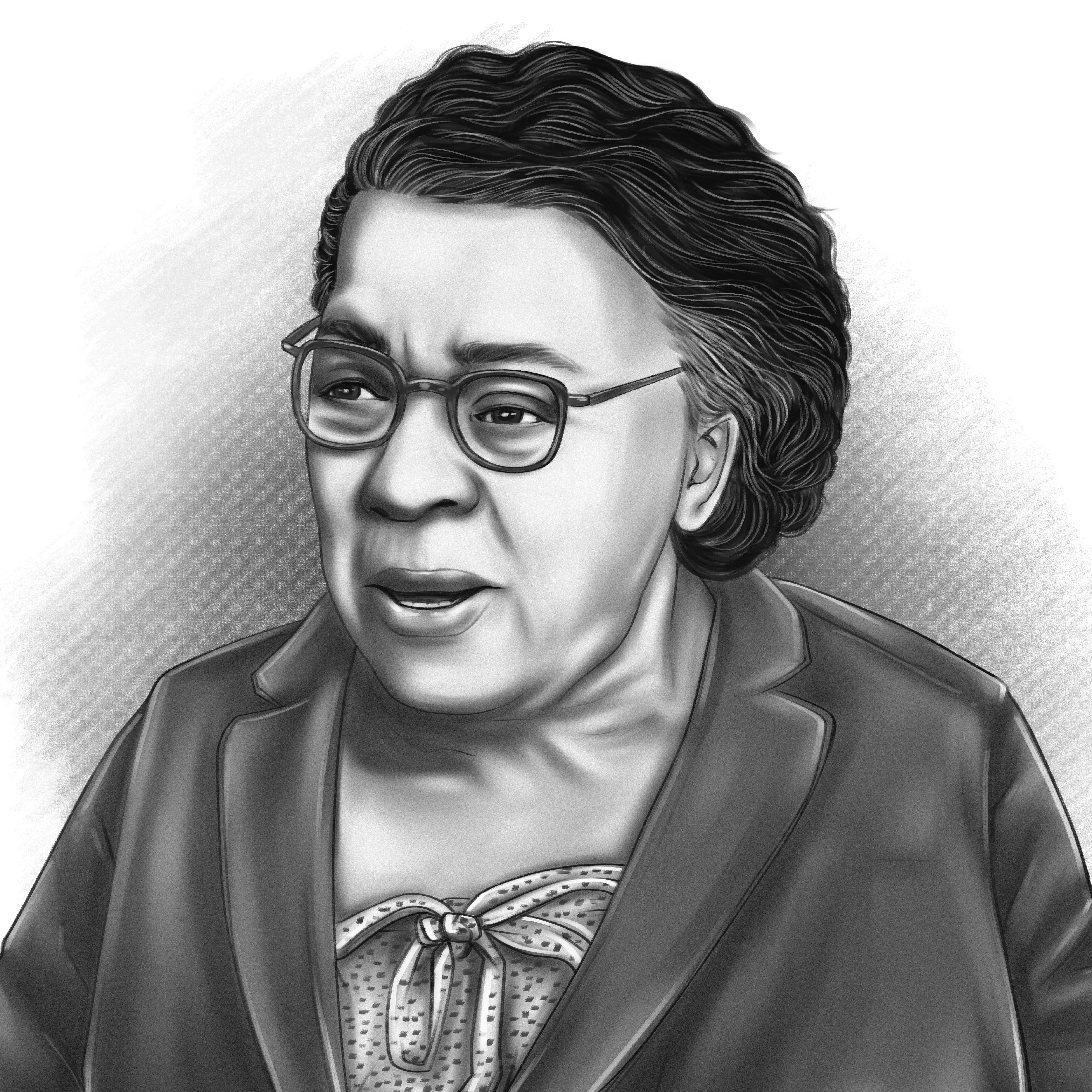
Annie Turnbo Malone

Annie Turnbo Malone (1869–1957), an entrepreneur, philanthropist, and scientist, became the first U.S. woman millionaire in 1920 with assets worth $14 million. She later mentored Madame C.J. Walker in hair care industry.

Charlotta Bass

Charlotta Bass (1874-1969), a newspaper publisher-editor and civil rights activist, was the first to be named to the Progressive Party as the nominee for Vice President of the United States, in 1952.

Mary Annette Anderson

Mary Annette Anderson (1874-1922), a professor, was the first to be inducted into the Phi Beta Kappa Society in 1899, while at Middlebury College as its first African American woman graduate.

Mary McLeod Bethune

Mary McLeod Bethune (1875-1955), an educator and civil rights activist, was the first to head a federal agency as Director of the Division of Negro Affairs, appointed by President Roosevelt in 1930.

Lucy Diggs Slowe

Lucy Diggs Slowe (1883-1937), an educator, was the first president of Alpha Kappa Alpha Sorority in 1908, first dean of Howard University in 1922, and the first national tennis champion in 1917.

Hazel Harrison

Hazel Harrison (1883–1969), a concert pianist, was the first American-trained musician to perform with a European orchestra, later becoming the first African American soloist with a U.S. orchestra.

Mamie Smith

Mamie Smith (1883-1946), a vocalist, was the first performer to make a phonograph record, paving the way for classic blues women of the 1920s and beyond when she recorded “Crazy Blues.”

Ethel Hedgeman Lyle

Ethel Hedgeman Lyle (1887–1950), an educator and “guiding light,” founded Alpha Kappa Alpha Sorority, Inc., the first Greek-letter organization for Black college women, at Howard University.

Florence Beatrice Smith Price

Florence Beatrice Smith Price (1887-1953), a composer and pianist, was the first to have her work performed by a major symphony, in the late 1930s.

Martha E. Lofton Haynes

Martha Euphemia Lofton Haynes (1890-1980), an educator and mathematician, was the first to earn a Ph.D. in mathematics, in 1943 from the Catholic University in Washington, D.C.

Lillian Evanti

Lillian Evanti (1890-1967), a lyric soprano, was the first to perform with a major European company in the 1920s, while simultaneously maintaining deep ties to her native home, Washington, D.C.

Nella Larsen

Nella Larsen 1891-1964), a poet, was the first to receive a Guggenheim Fellowship Award for creative writing, in 1930.

Bessie Coleman

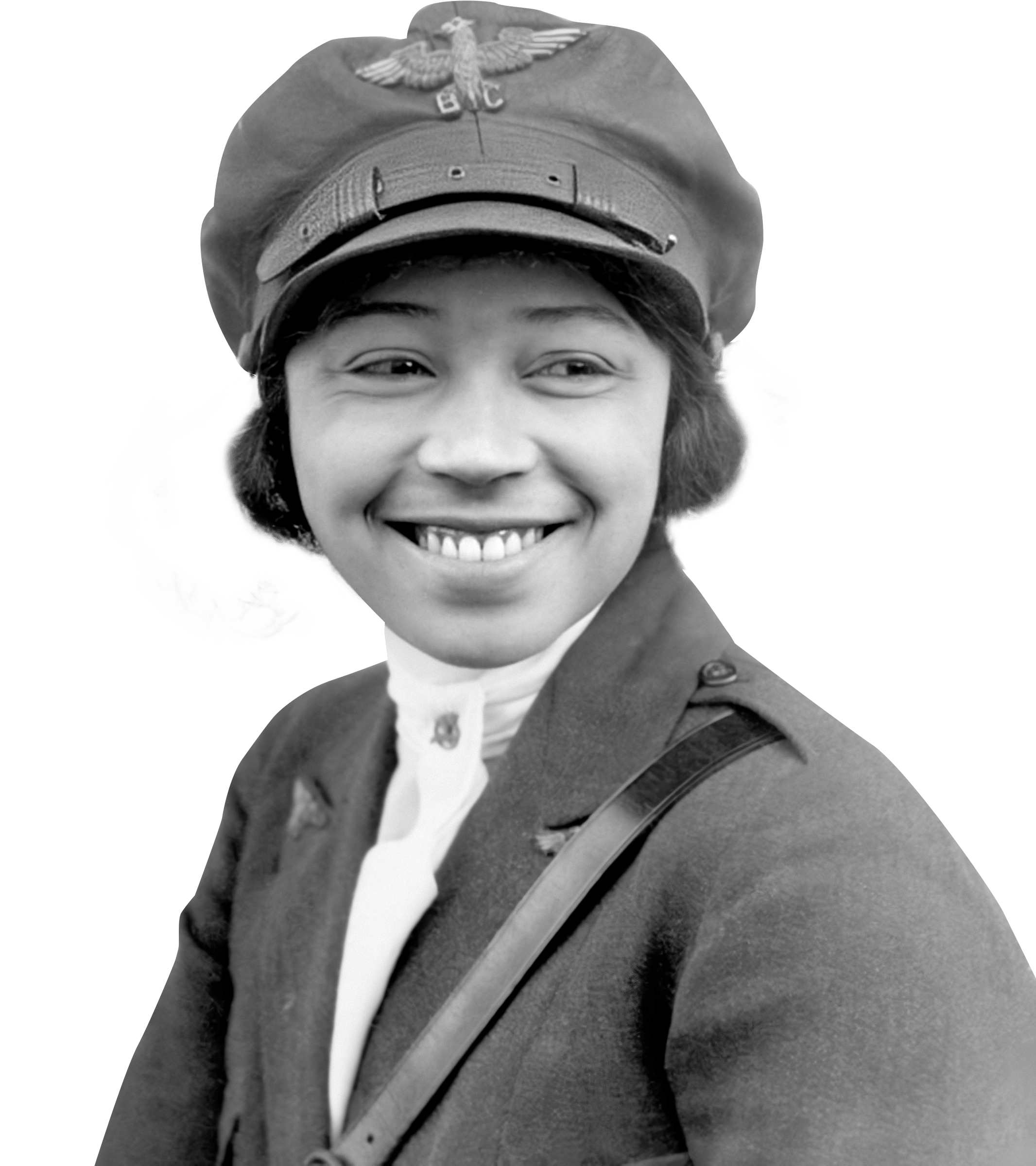
Bessie Coleman (1892-1926), an airplane pilot, was the first to earn an international pilot license, in 1921.

Eva Dykes

Eva Dykes (1893-1986), an educator, was the first to earn a Ph.D. in English-Philosophy from Radcliff College in 1921.

Ella Myers Phillips Stewart

Ella Myers Phillips Stewart (1893–1987) was the first Black woman to earn a pharmacy degree from Pittsburgh’s Pharmacy College in 1916.

Crystal Byrd Fauset

Crystal Byrd Fauset (1894 – 1965), a former teacher, was the first state legislator in the United States when she was elected to the Pennsylvania House of Representatives, in 1938.

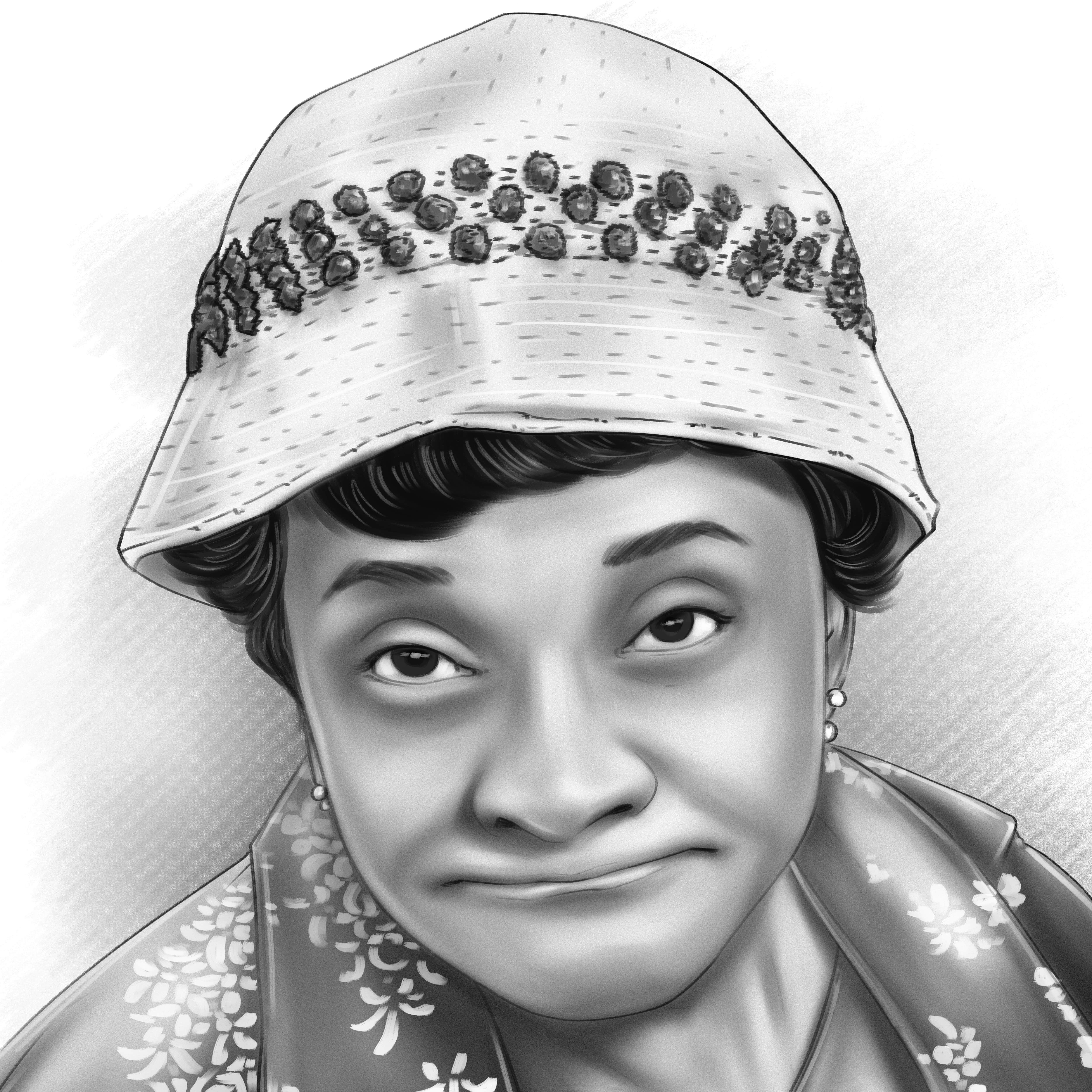
Jackie Moms Mabley

Eva Jessye (1895–1992), a choral director, actress, author, and poet, gained international fame as the first Black woman to direct a professional choir and for Porgy and Bess (1935).

Eva Jessye

Eva Jessye (1895-1992), a choral director, actress, author, and poet, was the first to earn international fame as director of a professional choral group and for Porgy and Bess (1935).

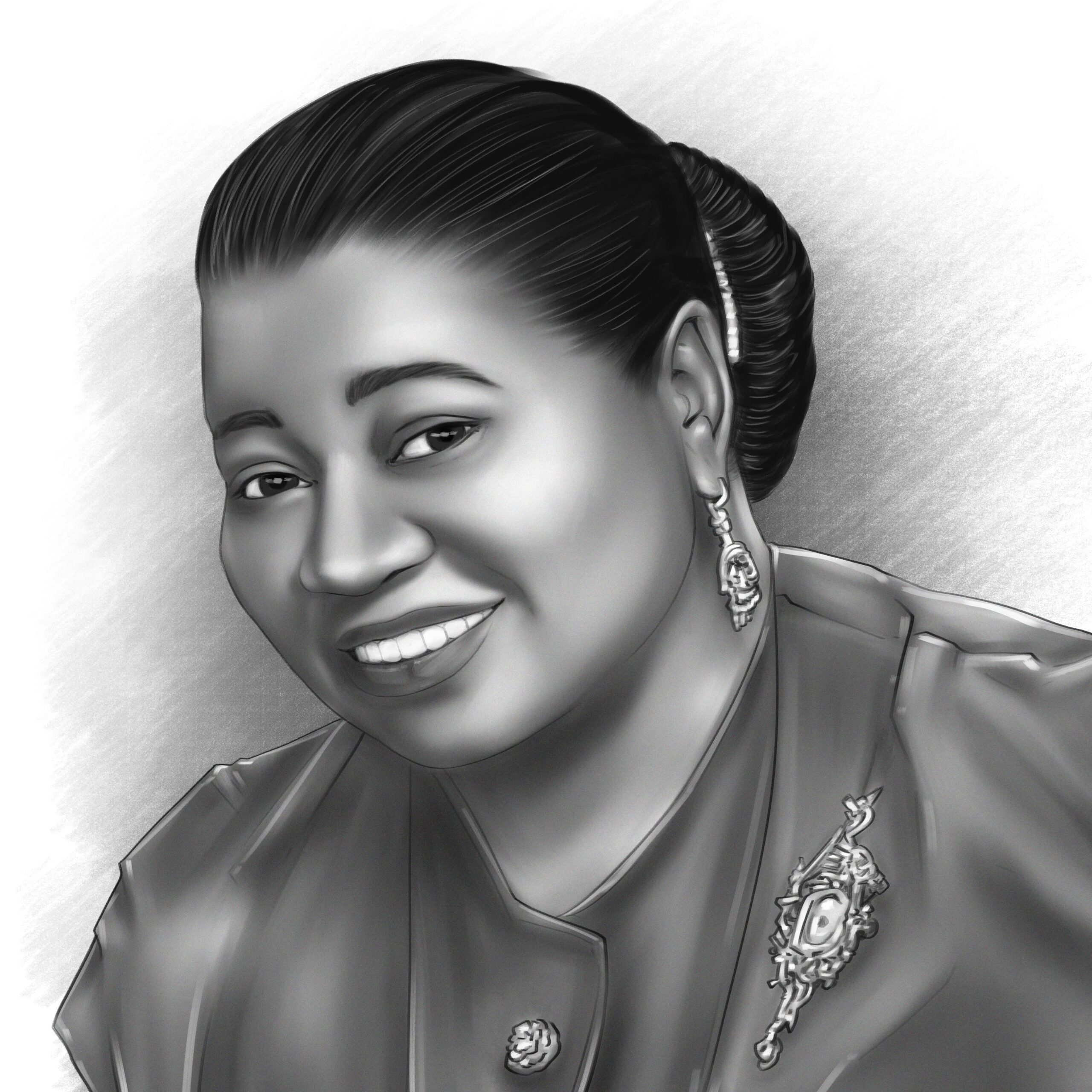
Hattie McDaniel

Hattie McDaniel (1895-1952), an actress was the first woman to win an Academy Award for Best Supporting Actress, in her performance as Mammy in the 1939 film, Gone with the Wind.

Ethel Waters

Ethel Waters (1896-1977), a film, television, theater actress and singer, was the first to be broadcast on radio, on April 21, 1922.

Mary Lou Allison Little

Mary Lou Allison Little (1896-1992), was the first president and national president of the Sigma Gamma Rho Sorority when elected in 1925.

Florence Mills

Florence Mills (1896–1927), a singer and dancer, became the first international Black female star after performing in Plantation Review in 1923.

Marian Anderson

Marian Anderson (1897-1993), a contralto singer, was the first to perform with the New York Metropolitan Opera, in 1955.

Arizona Cleaver Stemons

Arizona Cleaver Stemons (1898-1978), was the founder and served as the first President of Zeta Phi Beta Sorority in 1920, and became the first national President of Zeta Phi Beta Sorority, Inc.

Sadie Tanner Mossell Alexander

Sadie Tanner Mossell Alexander (1898-1989), an activist, was the first to earn a Ph.D. in economics, the first Black woman to graduate from Penn Law, and the first president of Delta Sigma Theta.


FOLLOW US